The Inspection Bill All California Multifamily Property Owners Should Be Aware Of
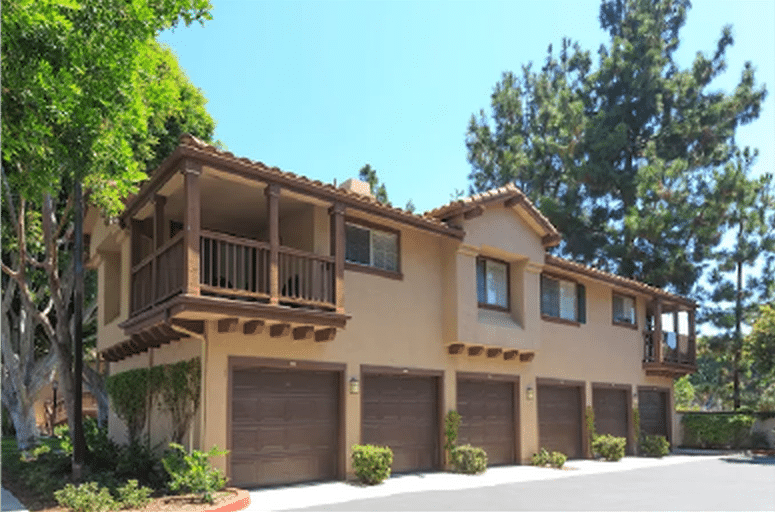
A 2018 balcony collapse tragedy in Berkeley that killed six people led to debate surrounding balcony safety, as well as the general safety of Exterior Elevated Elements, or EEEs, throughout the state of California. It was clear that there was a need for structural improvements in many multifamily dwellings, so this debate prompted legislation that put inspection requirements in place to identify the properties where safety changes need to be made.
New Regulations to Promote Safety
In 2020, SB 721 was passed, which required the inspection of EEEs. SB 721 applies to buildings with three or more multifamily dwellings and initially was supposed to include a much broader range of properties in its scope. At the last minute, condos, community association buildings, and common interest developments were removed from the list of required inspection sites before SB 721 was signed into law.
On 30 August 2021, the Senate passed SB 326, otherwise known as the Balcony Bill. The law went into effect in January 2022, which virtually closed the gap left by SB 721. SB 326 applies to over 52,000 common interest developments, which add up to over six million individual units in California. While these new regulations aim to make balconies and Exterior Elevated Elements safer for individuals living in apartments, condos, and multifamily housing, they also make it necessary for property owners to take action to ensure their buildings are up to the state’s safety standards.
Inspection Specifics to Consider
The inspection protocol for SB 326 is more elaborate and comprehensive than the guidelines that were put in place by SB 721. This bill amends sections 5551 and 5586 of the Civil Code. The requirements are as follows.
A licensed architect or structural engineer must inspect a “random and significant sample” of Exterior Elevated Elements every nine years. EEEs include balconies, decks, stairways, and railings.
Inspectors are given the freedom to use professional judgement in cases where it may be deemed necessary to conduct further inspections.
The first inspection of these structures must be completed by 1 January 2025.
The inspector is required to create a report that includes the following information:
- An analysis of the building components that encompass load-bearing components
- The associated exterior waterproofing systems that are used for any load-bearing components
- The present condition of any elevated structures
- The projected future performance of these components / the future safe lifespan for these elements
- Recommendations for any compulsory repairs or building envelope improvements to ensure safety
While this inspection methodology is much more expensive than what was put into place by SB 721, it gives the inspector the power to notify local agencies of any threat to safety. Therefore, there is a more efficient system to plan preventative maintenance, which ends up being more fiscally responsible in the end.
Consumer Protection & the Potential Legal Impact
The second part of SB 326 focuses on consumer protection and gives associations in projects less than 10 years old the power to engage the builder or developer in claims for defective construction. Previously, these claims have been prohibited by documents drafted by developers that state that a claim must be passed by a super-majority (66%) vote of that development’s HOA (Homeowners’ Association) in order to start legal proceedings. These documents are no longer allowed to enforce any limitations on the board’s ability to start legal proceedings against developers or builders. This is definitely something that property owners and developers should consider when trying to cut corners on new developments.
Next Steps for Property Owners
Although these initial inspections do not need to be completed until 2025, most smart multifamily property owners are getting a head start on setting up the inspections for their buildings so that they can make any structural improvements needed as soon as possible. While these preventative improvements may seem initially costly, they are required in order to be compliant with these new SB 326 protocols. These preventative measures will save money in the long run by reducing the need for more extensive repairs when EEEs become significantly damaged and worn over time. It is also crucial to take into account the legal costs that can be saved in the event that an unsafe EEE collapses or causes physical harm to a tenant.
Greython Construction is a national construction management and general construction firm that specialises in building envelope retrofit and repairs, and has been assisting multifamily residential owners to become compliant with these new SB 326 protocols.
Greython Construction specialises in construction management and acts as a general contractor for multifamily residential, hospitality, residential, restaurant, industrial and commercial construction projects.
With extensive experience carrying out structural and envelope repairs, Greython’s top priority is to develop quality, lasting, safe projects with a keen attention to detail. Greython Construction has been nationally recognised with numerous awards because of our appreciation for design, exemplary quality, and belief that communication is the key to translating a blueprint into reality.
Sources:
https://www.xperagroup.com/blog/california-closes-condo-balcony-inspection-gap-with-sb-326
https://cai-channelislands.org/sb-326-a-balcony-bill-that-protects-community-associations-and-their-residents/
https://leginfo.legislature.ca.gov/faces/billTextClient.xhtml?bill_id=201920200SB326